
May 21, 2026
UncategorizedWhere the Casa Blanca Brand Exists in the 2026 Premium World
Although the spelling “Casa Blanca brand” is often entered by digital shoppers, it points to the original Casablanca fashion label based in Paris and launched by Charaf Tajer in 2018. In the crowded luxury landscape of 2026, Casablanca inhabits a particular and increasingly impactful slot: contemporary luxury with compelling creative storytelling, superior materials and a design DNA rooted in tennis, wanderlust and vacation culture. The brand shows collections during Paris Fashion Week, retails through high-end multi-brand boutiques and department stores internationally, and lists its pieces in line with labels like Amiri, Jacquemus, Rhude and Palm Angels. This standing situates Casablanca above premium streetwear but lower than established mega-houses like Louis Vuitton or Gucci, granting it freedom to grow while preserving the artistic freedom and cachet that fuel its momentum. Understanding where the Casa Blanca brand sits in this pecking order is essential for customers who seek to buy wisely and appreciate the worth behind each purchase.
Profiling the Core Audience
The average Casablanca customer is a fashion-savvy buyer between 22 and 42 years old who values creativity, exploration and cultural life. Many buyers are employed in or near cultural industries—design, media, music, hospitality—and want clothing that expresses sensibility and personality rather than prestige alone. However, the brand also appeals to individuals in finance, tech and law who seek to differentiate their non-work wardrobes with something more individual than standard luxury basics. Women make up a rising share of the customer base, captivated by the label’s relaxed silhouettes, bold prints and vacation-suitable mood. By region, the largest markets in 2026 are Western Europe, North America, the Middle East, Japan and South Korea, though digital platforms has grown visibility worldwide. A significant additional audience comprises fashion collectors and resellers who track exclusive drops and archive pieces, recognising the brand’s likelihood for increase in value. This diverse but consistent customer profile affords Casablanca a wide revenue base while keeping the aura of limited access and cultural specificity that drew its founding fans.
Casa Blanca Brand Key Audience Segments
| Group | Age | Motivation | Top Categories |
|---|---|---|---|
| Design professionals | 25–40 | Individuality | Silk shirts, knitwear, prints |
| High-end street fans | 18–35 | Drops | Hoodies, track sets, caps |
| Travel and travel shoppers | 28–45 | Resort dressing | Shorts, shirts, casablanca clothing women accessories |
| Archive buyers and resellers | 20–38 | Investment | Rare prints, collaborations |
| Women customers | 22–42 | Colour | Dresses, skirts, silk pieces |
Pricing Band and Quality Story
Casablanca’s cost model communicates its standing as a current luxury house that prioritises artistry, construction quality and small-batch production over high-volume accessibility. In 2026, T-shirts most often price between 200 and 350 dollars, hoodies and sweatshirts between 400 and 700 dollars, silk shirts between 700 and 1 200 dollars, knitwear between 450 and 900 dollars, and outerwear between 800 and 2 000 dollars depending on intricacy and construction. Accessories like caps, scarves and compact bags range from 100 to 500 dollars. These retail levels are generally in line with labels like Amiri and Rhude but can be cheaper than some Jacquemus or Off-White pieces at the upper end. What explains the price for many customers is the combination of unique artwork, finest build and a unified creative identity that makes each piece appear intentional rather than ordinary. Pre-owned values for sought-after prints and rare drops can beat original retail, which strengthens the view of Casablanca as a intelligent purchase rather than a depreciating expense. Customers who compare wear-to-price ratio—accounting for how frequently they actually wear a piece—regularly conclude that a adaptable silk shirt or knit from Casablanca delivers impressive value despite its initial price.
Distribution Strategy and Physical Network
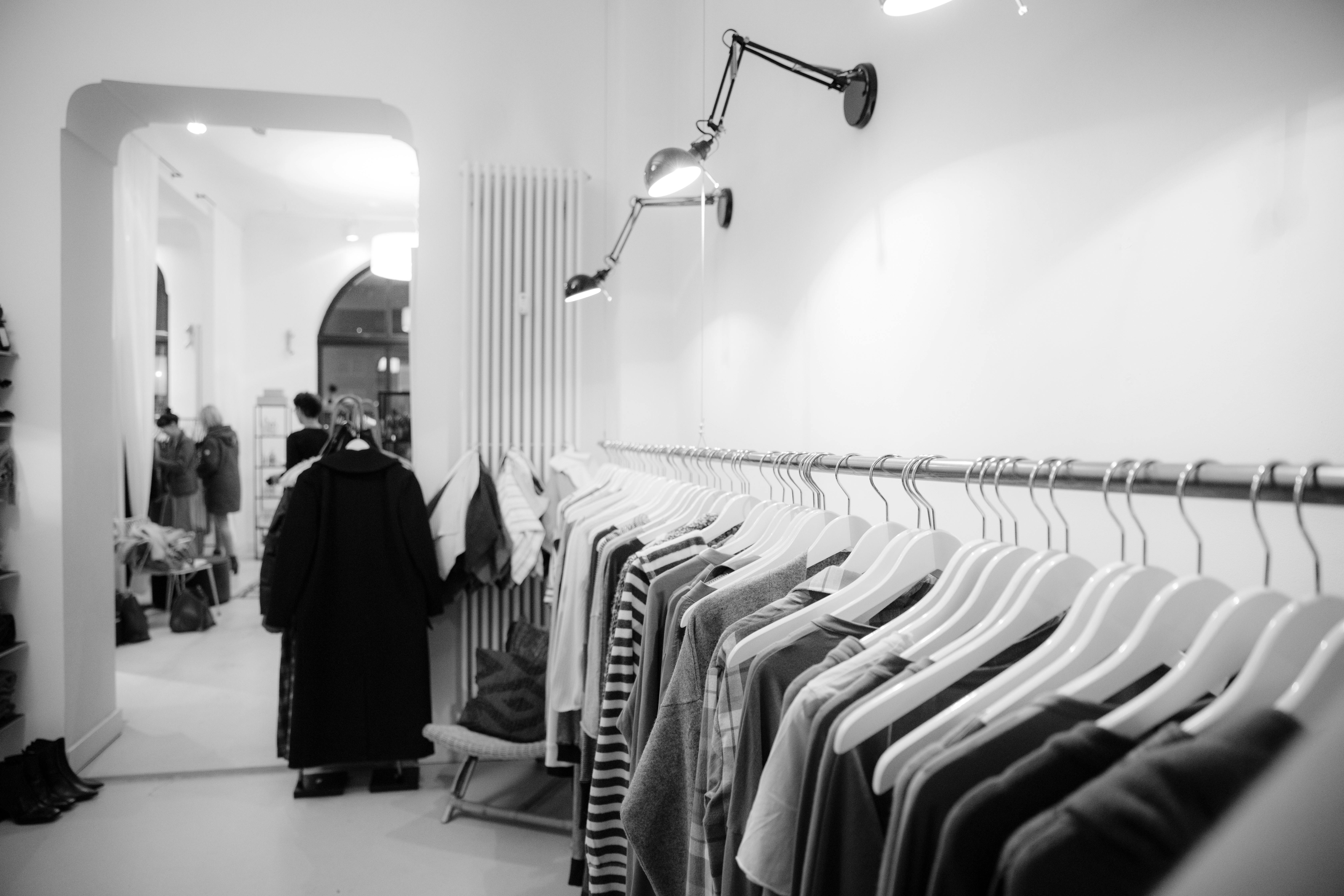
The Casa Blanca brand operates a curated retail plan aimed at preserve desirability and avoid saturation. The primary own-channel channel is the official website, which stocks the full range of present collections, limited drops and periodic sales. A primary store in Paris serves as both a retail space and a immersive centre, and short-term locations open occasionally in cities like London, New York, Milan and Tokyo during fashion seasons and arts events. On the wholesale side, Casablanca partners with a carefully chosen group of high-end retailers including SSENSE, Mr Porter, Farfetch, Browns, Dover Street Market and key department stores such as Selfridges, Neiman Marcus and Isetan. This selective distribution means that the brand is stocked to committed shoppers without reaching every discount outlet or mass-market aggregator. In 2026, Casablanca is said to be extending its store network with ongoing stores in two additional cities and increased resources in its digital experience, including AR try-on features and upgraded size guidance. For customers, this translates to growing ease of shopping without the brand saturation that can erode luxury cachet.
Brand Status Alongside Peers
Understanding the Casa Blanca brand’s standing demands contrasting it with the labels it most commonly sits next to in multi-brand stores and style editorials. Jacquemus offers a similar French luxury heritage but moves more toward restraint and muted palettes, rendering the two brands harmonious rather than conflicting. Amiri provides a moodier, rock-and-roll California aesthetic that targets a distinct sensibility. Rhude and Palm Angels occupy the premium street space with print-heavy designs that intersect with some of Casablanca’s casual pieces but lack the vacation and tennis story. What sets Casablanca apart from all of these is its continuous commitment to artistic prints, colour vibrancy and a particular atmosphere of happiness and leisure. No other label in the contemporary luxury tier has built its complete world around tennis and sport and Mediterranean travel with the same thoroughness and reliability. This unmatched standing grants Casablanca a protected identity that is tough for newcomers to reproduce, which in turn strengthens long-term brand strength and price power.
The Impact of Joint Ventures and Limited Editions
Collabs and special releases perform a strategic role in the Casa Blanca brand’s identity. By joining forces with athletic labels, design institutions and lifestyle brands, Casablanca presents itself to new audiences while sparking fan anticipation among loyal fans. These editions are typically produced in limited volumes and carry dual-brand prints or unique colour options that are not offered in standard collections. In 2026, collaboration pieces have emerged as some of the hottest items on the resale market, with certain releases selling above first retail within hours of going live. For the brand, this model generates press attention, funnels traffic to channels and supports the image of scarcity and allure without diluting the standard collection. For customers, collaborations provide a window to own special pieces that stand at the meeting point of two design worlds.
Long-Term Vision and Customer Guide
For shoppers evaluating how the Casa Blanca brand fits into their personal fashion universe in 2026, the label’s positioning suggests a few practical approaches. If you want a wardrobe anchored by colour, illustrated design and wanderlust mood, Casablanca can act as a main supplier for signature pieces that ground outfits. If your style is subtler, one or two Casablanca garments—a knit, a shirt or an accessory—can bring flair into a muted wardrobe without changing your full closet. Investors and collectors should monitor rare prints and partnership releases, which in the past maintain or beat their original value on the pre-owned market. Regardless of path, the brand’s focus on premium materials, storytelling and controlled distribution delivers a customer relationship that appears intentional and gratifying. As the luxury market develops, labels that offer both emotional depth and real quality are likely to beat those that depend on virality alone. Casablanca’s status in 2026 suggests that it is working for longevity rather than passing hype, establishing it a brand worth tracking and supporting for the long term. For the newest pricing and availability, visit the official Casablanca website or view selections on Mr Porter.